
Unrealistic Expectations: Why We Demand Too Much from Our Politicians
Being a politician is a tough, often thankless job. The hours are long, the pay modest, and the environment relentlessly demoralising. Cynical electorates, a distrusting press, and hostile opposition are constants. Every word and action is dissected, and you’re always on call.
Few of us could withstand the heat of such constant scrutiny – both public and private. Yet that is the plight of our elected officials. Always in the spotlight and forever the target of critics, our politicians quickly learn to develop a thick skin.
Across the globe, public disdain for politicians has become almost a national pastime. They rank near the top of the most detested professions in the eyes of the public. Routinely, our much-maligned politicians are abused, scorned, and ridiculed – often seen as indecisive and untrustworthy.
I am not an apologist for politicians who are inept or corrupt. However, I do believe we have unrealistic expectations of what they can deliver. Politicians are not miracle workers with the power to solve all of society’s ills.
Yet some in the electorate hold the mistaken belief that it is the government’s job to give them employment, raise their children, keep them slim, and look after them in old age. Former Treasurer Joe Hockey famously referred to this as “the age of entitlement.”
The number and complexity of problems our political leaders face daily would cause most of us to buckle under the strain. As elected representatives of their communities, politicians know they can’t please everyone – which is why politics is the art of compromise.
This mismatch between public expectations and political reality is not new. As the great Roman orator Cicero observed: “How easy it is for those who play no part in public affairs to sneer at the compromises required of those who do.” Politicians also know that the public often doesn’t want to hear the truth.
For example, the Australian household sector remains one of the most indebted in the world. No politician would dare criticise families for that level of debt, nor suggest they are living beyond their means. Yet households openly berate the government for Australia’s sovereign debt – which, paradoxically, is among the lowest in the developed world.
It’s clear there are double standards at play, and this makes leadership difficult. Australian leadership experts Geoff Aigner and Liz Skelton weigh in on this in their book The Australian Leadership Paradox: What it Takes to Lead in the Lucky Country. They note:
“Australians bemoan the quality of our leaders. We blame those in power for not showing leadership, only to turn on them when they start tackling the hard issues they are expected to fix. No wonder that even the most passionate and talented among us hesitate to take up this important role.”
Nowadays, opinion polls and minority groups unduly influence policy formulation, resulting in long-term economic credibility being sacrificed for short-term populist reforms. The end result? The public often gets policies that are against its own best interests.
We all have a say in voting governments in, and politicians should be worthy of the people they serve. Equally, we have an obligation to behave responsibly and avoid short-term community hysteria just because we don’t get our way on a particular issue.
Right now, Australia faces some very hard decisions. For example, we need to reform our taxation system – it is fiscally unsustainable. But how many Aussies would vote for a leader who promised to raise taxes? I would, because I know how imperative it is. But I suspect I’d be in the minority – and called a fool for it.
An informed electorate is a prerequisite for democracy to function effectively. Yet many people remain uninformed about how government works. On the other side of the coin, we need to attract competent people to positions of political power. Demand for top talent is subject to the laws of supply and demand – so top performers don’t come cheap.
The U.S. President – arguably the most powerful person in the world – earns less than many mid-level corporate executives. The same holds true in Australia. I believe we need to pay our politicians more to attract the best and brightest. But how many voters would agree?
With populist politics sweeping the globe, one could be forgiven for thinking that citizens no longer want bold, inspirational leaders who are prepared to make hard decisions for the greater good. That’s why it’s largely our fault if we end up with poor political leadership.
As French political philosopher Alexis de Tocqueville opined:
“In democracy, we get the government we deserve.”
If we want better leaders, we must become better citizens – more informed, more patient, and more willing to hear uncomfortable truths. Democracy demands nothing less.
All food for thought!
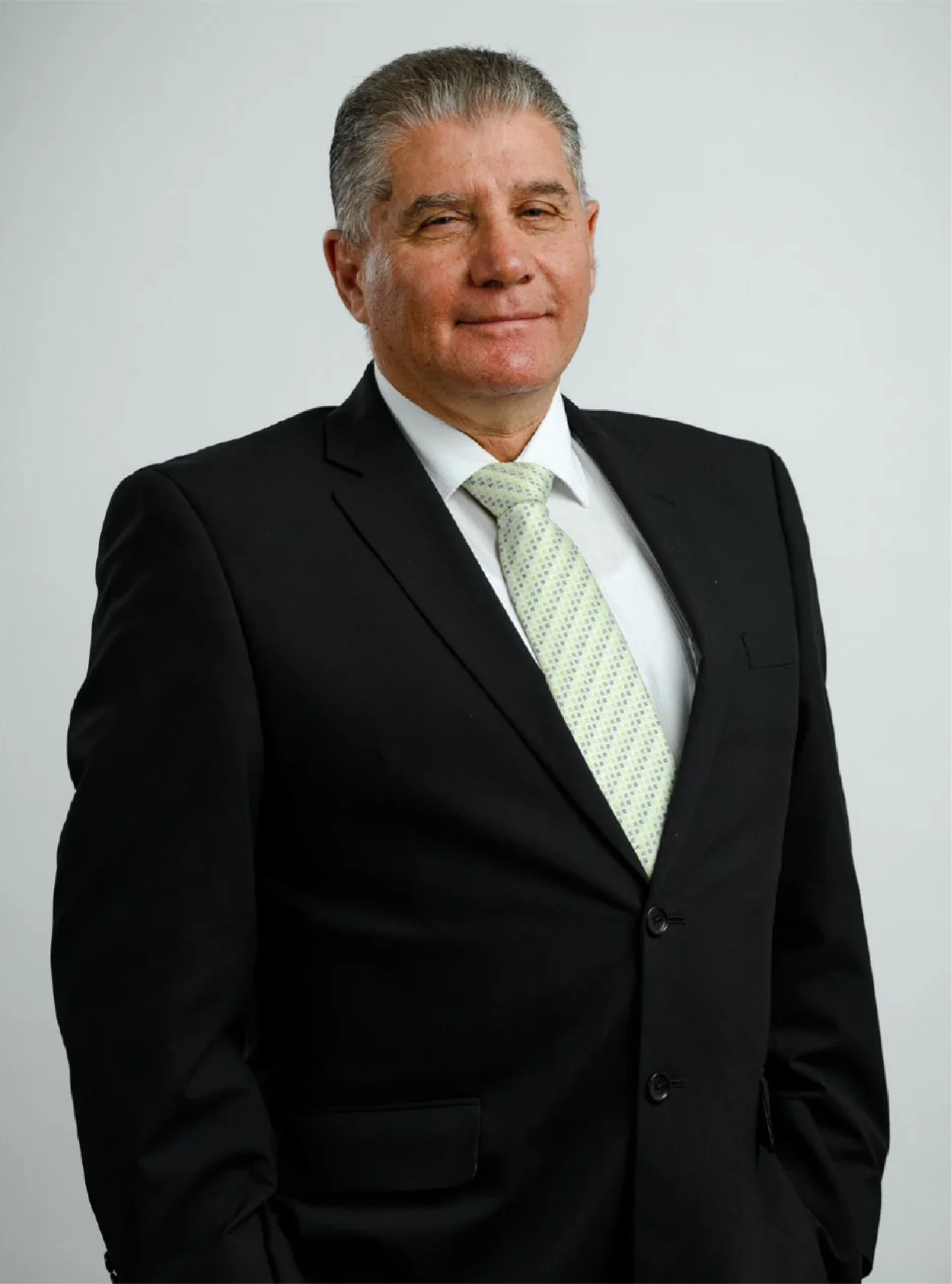
John (JT) Thomas, OAM KSS
Independent Chairman
This opinion piece is provided by John (JT) Thomas, a 50- year veteran of the financial services industry and since 1987 a specialist in commercial mortgage funds. Considered by many to be the father of the modern commercial mortgage fund sector, JT helped establish and then managed – for 17 years – what became the largest and most successful commercial mortgage fund in Australia – The Howard Mortgage Trust – with assets exceeding $3 billion. Under JT’s stewardship, investors never lost one cent of their investments and indeed, investors always received competitive monthly returns. JT was also Chair of the $40 billion mortgage trust industry sector working group.
JT has been proudly involved with Princeton for 13 years and Chairs both the Princeton Credit Committee and the Princeton Compliance Committee. Since October 2025 he has been the Independent Chair of the Princeton Board.